Your Destin Florida Real Estate House Didn’t Sell. Here’s What To Do Now
When your Destin Florida Real Estate house doesn’t sell, it doesn’t just feel frustrating – it feels personal. You put time, money, and emotional energy into this move. You told your friends and family it was happening. And now that your listing has expired without a buyer? You’re left feeling stuck, and maybe even a little embarrassed.
And here’s what most agents won’t tell you. Over 70% of homeowners who re-list with a different agent sell their house.
Re-list with the same agent? That stat drops to only 50%, according to the latest data from REDX. That’s like leaving the fate of your sale to a coin toss. And that’s not good enough.
REDX data also shows that only 1 in 3 homeowners with expired listings actually make that change. That means most sellers either give up or repeat the same mistakes, so they get the same disappointing outcome. You deserve better.
Same house. Different strategy. Completely different results.
Let’s break down what might’ve gone wrong – and how a fresh perspective can help you have a winning strategy this time.
1. It Was Priced Too High
Today, homebuyers are feeling the squeeze of higher mortgage rates, so even a slightly overpriced home will get overlooked. And once your listing starts to go stale, it’s hard to regain momentum.
Missing the mark on pricing is a costly mistake – and too many homeowners are doing that very thing right now.
What we need to do now: We need to analyze the latest sales in your area to make sure you’re hitting the right number. This includes taking a hard look at real-time buyer behavior, and any feedback you got from open houses or showings your first time around. Pricing at, or even just below, current market value is a winning play because it drives more buyers to your listing – and that amps up the competition for your home.
2. It Didn’t Show Well
You only get one shot at a first impression. If the listing photos didn’t pop, the house wasn’t staged well, or it wasn’t updated, most buyers will skip over it without ever scheduling a showing. And even if buyers did show up, small things like scuffed walls, outdated light fixtures, or a wobbly doorknob can turn them away.
What we need to do now: Let’s walk through your house withfresh eyes to see if there are any areas that may have been sticking points inside and out. Sometimes taking down old drapery, some light staging, or even a fresh coat of paint can completely change how a buyer feels about the home.
3. It Didn’t Get the Right Exposure
If your home didn’t sell, chances are it wasn’t getting the visibility it deserved. Generic flyers and a few online photos aren’t enough anymore. Today’s top agents are using highly targeted digital marketing, social media strategies, custom video content, and more to get your listing in front of the right buyers at the right time.
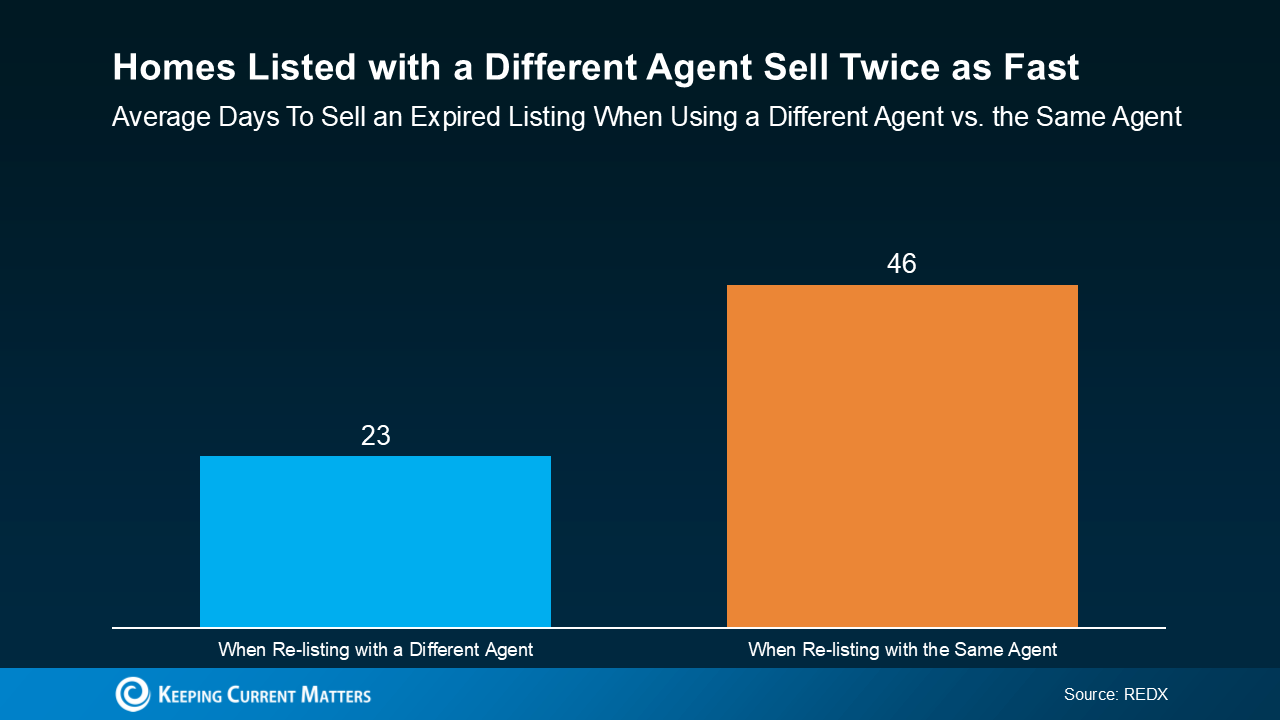
What we need to do now: We have to do more than just put your house online and hope it sells. Together, we can come up with a real plan to maximize its exposure. With the right pricing, staging, and marketing, your house will sell quickly. Here’s a real-world example (see graph below):
4. You Weren’t Willing To Negotiate
In this market, sellers who aren’t open to negotiating on things like closing costs, inspection repairs, or other concessions are often left behind. And if your last agent didn’t set that expectation with you, that’s a real shame.
What we need to do now: Be willing to meet buyers where they are. The goal is to get the deal done – and sometimes that means getting creative to help buyers cross the finish line. Home values have increased by over 55% over the last five years, so you likely have enough wiggle room to offer some perks without sacrificing your bottom line.
Bottom Line
If your house didn’t sell and your listing has expired, you don’t need to give up. You just need a better plan. And maybe, a better partner.
Use Some of Your Equity To Give Your Children the Gift of Home
Use Your Equity To Give Your Children. If you’re a homeowner, chances are you’ve built up a lot of wealth – just by living in your house and watching its value grow over time. And that equity? It’s something that could help change your child’s life.
Since affordability is still a challenge, a lot of first-time buyers are struggling to buy a home in today’s market. Even if they have a stable job and a solid plan, buying can still feel out of reach. But that’s where your equity could make all the difference.
To give you an idea, the average homeowner with a mortgage has $311,000 worth of equity, according to Cotality (formerly CoreLogic). That’s significant. And some parents are using a portion of their equity to help their children become homeowners, too.
According to Bank of America, 49% of buyers between 18 and 26 got money from their parents to use toward their down payment (see chart below):
Even though the data doesn’t specify how many parents used their equity, the wealth they’ve built through homeownership may have helped make it possible – especially given how much equity the average homeowner has today.
While what’s right for each person’s specific situation will vary on a case-by-case basis, that’s a powerful legacy to pass on. It helps those younger people buy a home, build equity of their own, and begin the next chapter of their life with a little less financial stress and a lot more stability. And for those parents? It’s a way to turn what they’ve built into something deeply meaningful.
This isn’t just about money. For many homeowners, it’s about being the reason their child gets to say, “we got the house.” And giving them the kind of head start they might’ve only dreamed of at their age. And here’s the part that really sticks. Compare the Market says:
“Of those who did receive monetary aid from parents and grandparents to buy a house, 45% of Americans said they would not have been able to purchase a house without financial support from parents and grandparents.”
Bottom Line
Your equity could be the thing that makes homeownership possible for your children when they might not be able to do it on their own. So, here’s the question.
If helping your kids buy a home was more feasible than you thought, would you want to explore that option?
If you want to learn more or find out the best way to make it happen, talk to your lender and a financial advisor you trust.
#1 Thing Destin Florida Sellers Need To Know About Their Asking Price. When you put your Destin Florida house on the market, you want to sell it quickly and for the best price possible; that’s generally the goal. But too many sellers are shooting too high right now. They don’t realize the market has shifted as inventory has grown. The side effect? Price cuts are on the rise, but they really don’t have to be. Here’s why.
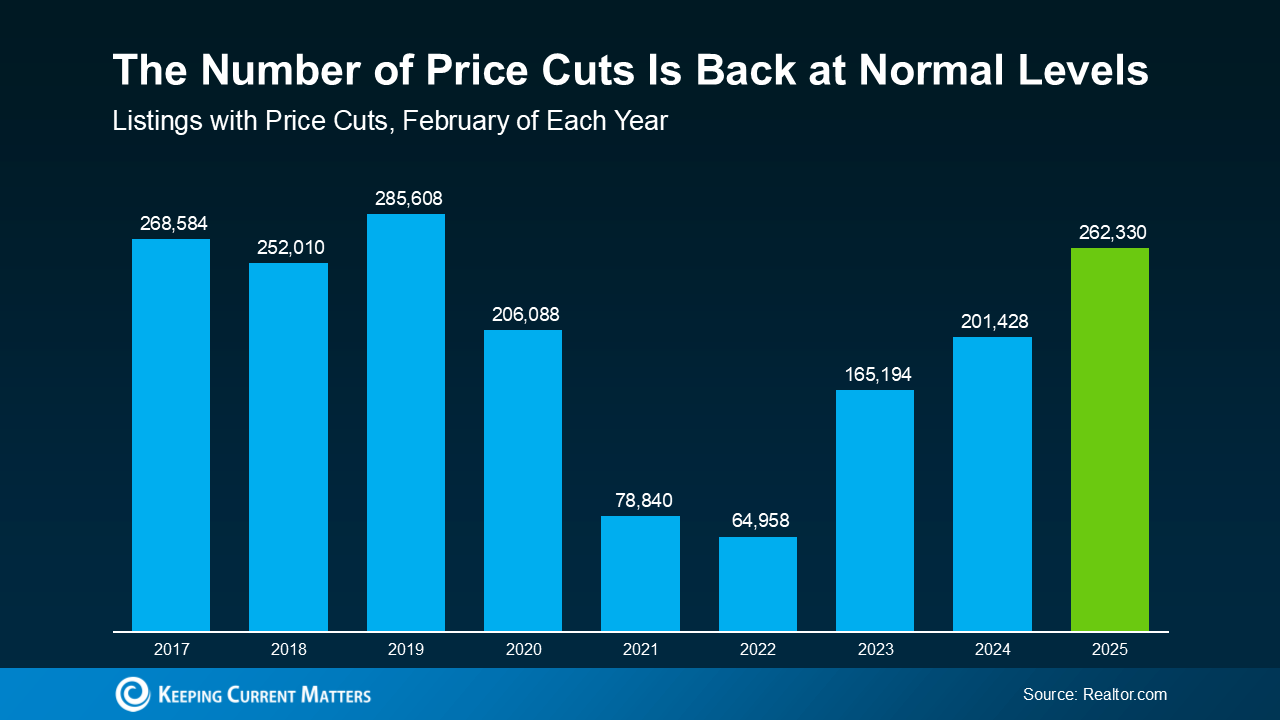
According to data from Realtor.com, in February, price cuts were the highest they’ve been in any other February since 2019 (see graph below):
This isn’t the same frenzied seller’s market we saw a few years ago. You may not get the same price your neighbor did at the height of the pandemic. And that means you may need to reset your expectations.
Because here’s the reality. If you shoot too high and have to lower your price after the fact, you could actually end up walking away with lower offers than if you’d priced it right from the start. So, how do you avoid that? You lean on your agent. #1 Thing Destin Florida Sellers Need To Know About Their Asking Price.
How an Agent Helps You Nail the Right Price
A great agent doesn’t just pull a number out of thin air. They’ll use real data and market trends to make sure your house is priced based on what your specific home is valued at today. So, you’re setting a realistic price – one that’ll draw in serious buyers.
And based on your agent’s analysis of your local market, they may even recommend strategically pricing slightly below market value to help your house attract more eyes and more competitive offers. Here’s how your agent will determine the right number for your house:
They look at recent sales. What did similar homes in your area actually sell for? Not list for, sell for.
They analyze local market trends. Your home’s value isn’t just about what you want for it, it’s about what buyers in your area are willing to pay.
They craft the right strategy. They’ll make sure your home is priced to attract attention and create a sense of urgency among buyers.
Why Overpricing Backfires
Unfortunately, some sellers still ignore their agent’s advice and prefer to start high just to see what happens. The hope being maybe they get their full asking price, or they at least have more wiggle room for negotiation. But pricing high usually ends up costing you, and here’s why:
Buyers may not even look at it. Today’s buyers are more budget-conscious than ever. If they see a home that seems overpriced, they’re likely to skip it completely rather than try to negotiate.
It could sit on the market for too long. The longer your home sits unsold, the more buyers will assume something’s wrong with it. That can make it even harder to sell down the line.
You might end up getting less. Homes that require a price cut often sell for less than they would have if they had been priced right from the start.
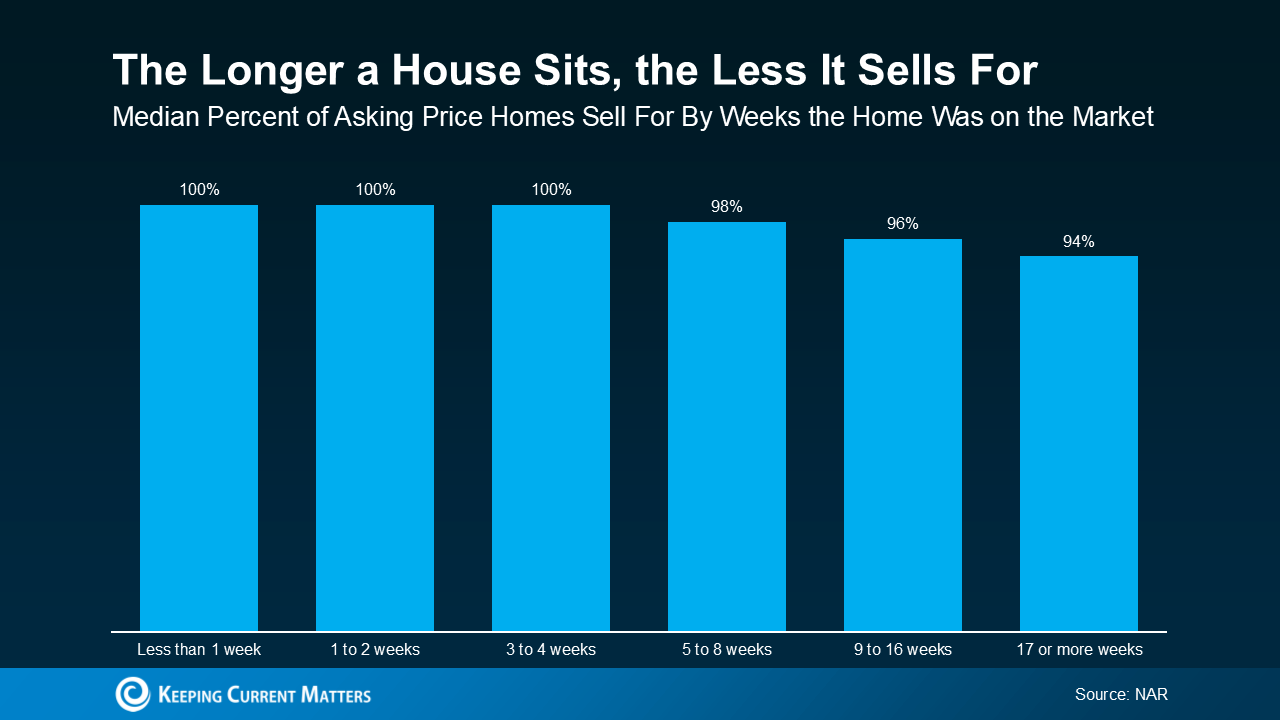
You can see that shake out in the graph below. It uses data from the National Association of Realtors (NAR) to show that the longer a house sits, the less it’ll sell for:
This graph shows that if a house sells within the first 4 weeks it is listed, it usually goes for full price. Based on experience, that’s what usually happens to homes that are priced at or just below current market value. If it’s priced right, buyers will be interested, and, ultimately, willing to pay the asking price – or compete with other buyers and even go over asking.
But if a house isn’t priced right, it doesn’t sell as quickly. And this graph shows that, after the first 4 weeks on the market, the price starts to drop from there. That’s because buyer interest falls off the longer it sits. So, it becomes more likely a seller will either accept a lower offer because that’s all they have, or opt to do a price drop to draw people back in.
Bottom Line
The last thing you want is to list too high, watch your house sit, and then have to drop the price just to get attention. Talk to a local agent so that doesn’t happen to you.
Want to make sure your home sells quickly and for the best price? Connect with an agent to talk about the right pricing strategy for your house.
If you want to sell your Destin Florida Real Estate, having the right strategies and expectations is key. But some sellers haven’t adjusted to where the market is today. They’re not factoring in that there are more homes for sale or that buyers are being more selective with their budgets. And those sellers are making some costly mistakes.
Here’s a quick rundown of the 3 most common missteps sellers are making, and how partnering with an expert agent can help you avoid every single one of them.
1. Pricing your Destin Florida Real Estate Home Too High
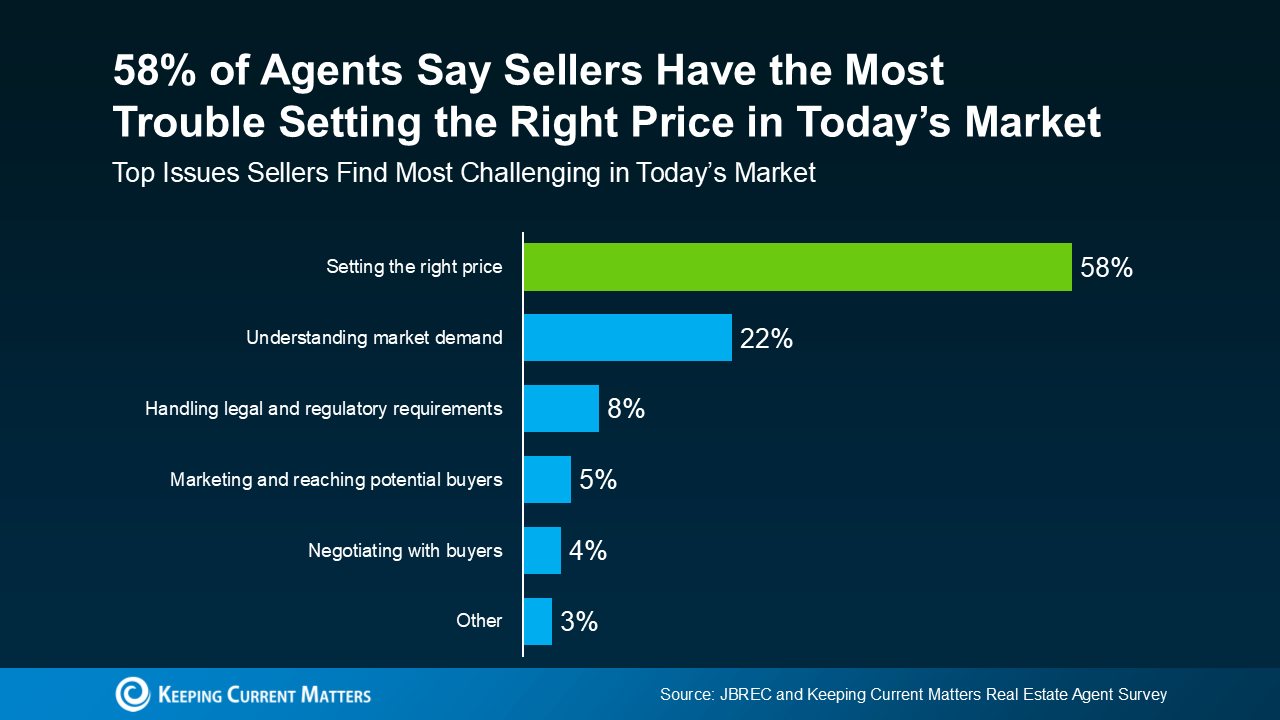
According to a survey by John Burns Real Estate Consulting (JBREC) and Keeping Current Matters (KCM), real estate agents agree the #1 thing sellers struggle with right now is setting the right price for their house (see graph below):
And more often than not, homeowners tend to overprice their listings. If you aren’t up to speed on what’s happening in your local market, you may give in to the temptation to price high so you can have as much wiggle room as possible to negotiate. You don’t want to do this.
Today’s buyers are more cautious due to higher rates and tight budgets, and a price that feels out of reach will scare them off. And if no one’s looking at your house, how’s it going to sell? This is exactly why more sellers are having to do price cuts.
To avoid this headache, trust your agent’s expertise from day 1. A great agent will be able to tell you what your neighbor’s house just sold for and how that impacts the value of your home.
2. Skipping Repairs
Another common mistake is trying to avoid doing work on your Destin Florida Real Estate house. That leaky faucet or squeaky door might not bother you, but to buyers, small maintenance issues can be red flags. They may assume those little flaws are signs of bigger problems — and it could cost you when offers come in lower or buyers ask for concessions. As Investopedia says:
“Sellers who do not clean and stage their homes throw money down the drain. . . Failing to do these things can reduce your sales price and may also prevent you from getting a sale at all. If you haven’t attended to minor issues, such as a broken doorknob or dripping faucet, a potential buyer may wonder whether the house has larger, costlier issues that haven’t been addressed either.”
The solution? Work with your agent to prioritize anything you’ll need to tackle before the photographer comes in. These minor upgrades can pay off big when it’s time to sell.
3. Refusing To Negotiate
Buyers today are feeling the pinch of high home prices and mortgage rates. With affordability that tight, they may come in with an offer that’s lower than you want to see. Don’t take it personally. Instead, focus on the end goal: selling your house. Your agent can help you negotiate confidently without letting emotions cloud your judgment.
At the same time, with more homes on the market, buyers have options — and with that comes more negotiating power. They may ask for repairs, closing cost assistance, or other concessions. Be prepared to have these conversations. Again, lean on your agent to guide you. Sometimes a small compromise can seal the deal without derailing your bottom line. As U.S. NewsReal Estate explains:
“If you’ve received an offer for your house that isn’t quite what you’d hoped it would be, expect to negotiate . . . the only way to come to a successful deal is to make sure the buyer also feels like he or she benefits . . . consider offering to cover some of the buyer’s closing costs or agree to a credit for a minor repair the inspector found.”
The Biggest Mistake of All? Not Using a Destin Florida Real Estate Agent
Notice anything? For each of these mistakes, partnering with an Destin Florida Real Estate agent helps prevent them from happening in the first place. That makes trying to sell your house without an agent’s help the biggest mistake of all.
Bottom Line
Avoid these common mistakes by starting with the right plan — and the right agent. Connect with an agent so you don’t fall into any of these traps.
Let’s face it — buying a home can feel like a challenge with today’s mortgage rates. You might even be thinking, “Should I just wait until spring when more homes hit the market and rates might be lower?” destin fl buying a home.
But here’s the thing, no one knows for sure where mortgage rates will go from here, and waiting could mean facing more competition, higher prices, and a lot more stress.
What if buying now — before the spring rush — might actually give you the upper hand? Here are three reasons why that just might be the case.
1. Less Competition from Other Buyers
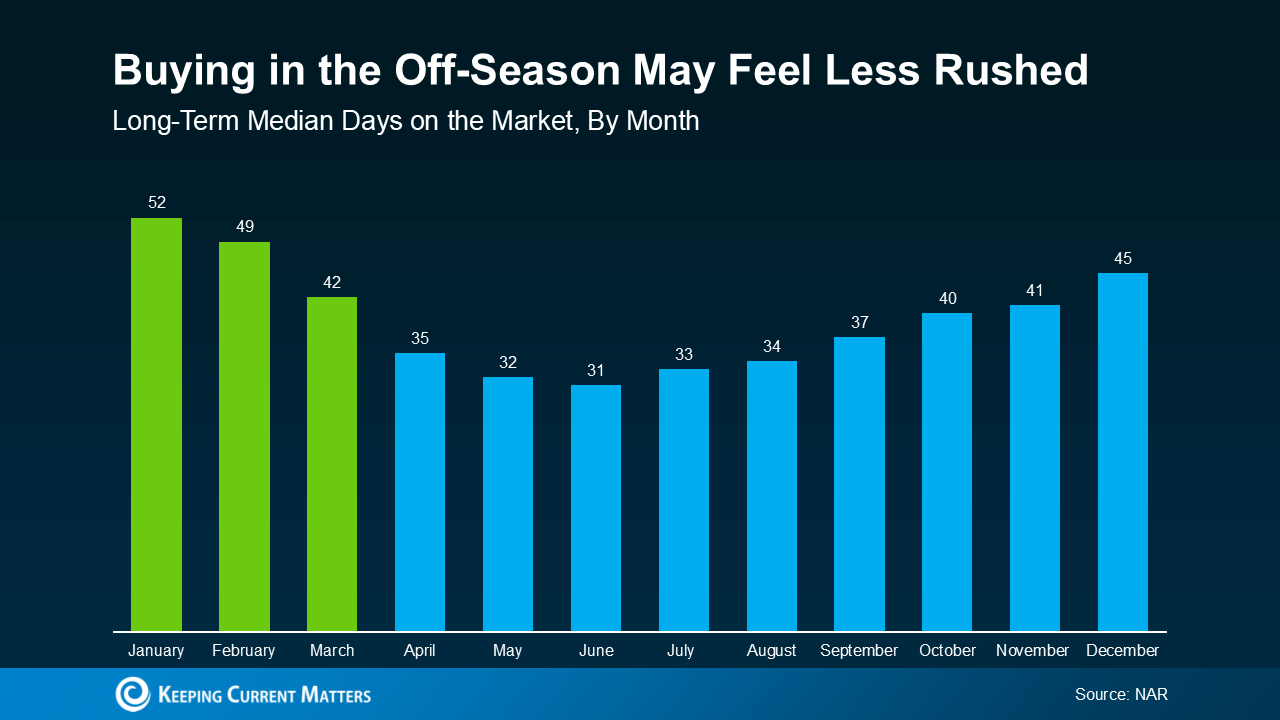
The winter months tend to be quieter in the real estate market. Fewer people are actively looking for homes, which means you’ll likely face less competition when you make an offer. This makes the process feel less rushed and less stressful.
According to the National Association of Realtors (NAR), homes sit on the market longer in winter compared to spring and summer (see graph below):
Fewer buyers in the market means you’ll likely have more time to make thoughtful decisions. It also means you may have more negotiating power. According to the Alabama Association of Realtors:
“A significant benefit of buying a home in winter is the reduced competition. Because of the perceived benefits of spring, many buyers delay the start of their house hunt. As a result, you will find fewer people competing for the same properties during winter. Less demand can translate into more negotiating power as sellers may be more willing to entertain offers or agree to concessions to get a deal closed quickly.”
2. More Negotiating Power
With homes staying on the market longer, sellers may be more willing to negotiate. This can lead to better deals for you as a buyer, whether that means a lower price or added incentives, like sellers covering closing costs or making repairs. As Chen Zhao, an Economist at Redfin, points out:
“. . . buying during the off season means less competition from other buyers. That means potentially negotiating a better deal.”
Plus, when demand is lower, sellers often feel more pressure to work with serious buyers. This could give you an edge to negotiate terms that work best for your situation.
3. Lock in Today’s Prices Before They Rise
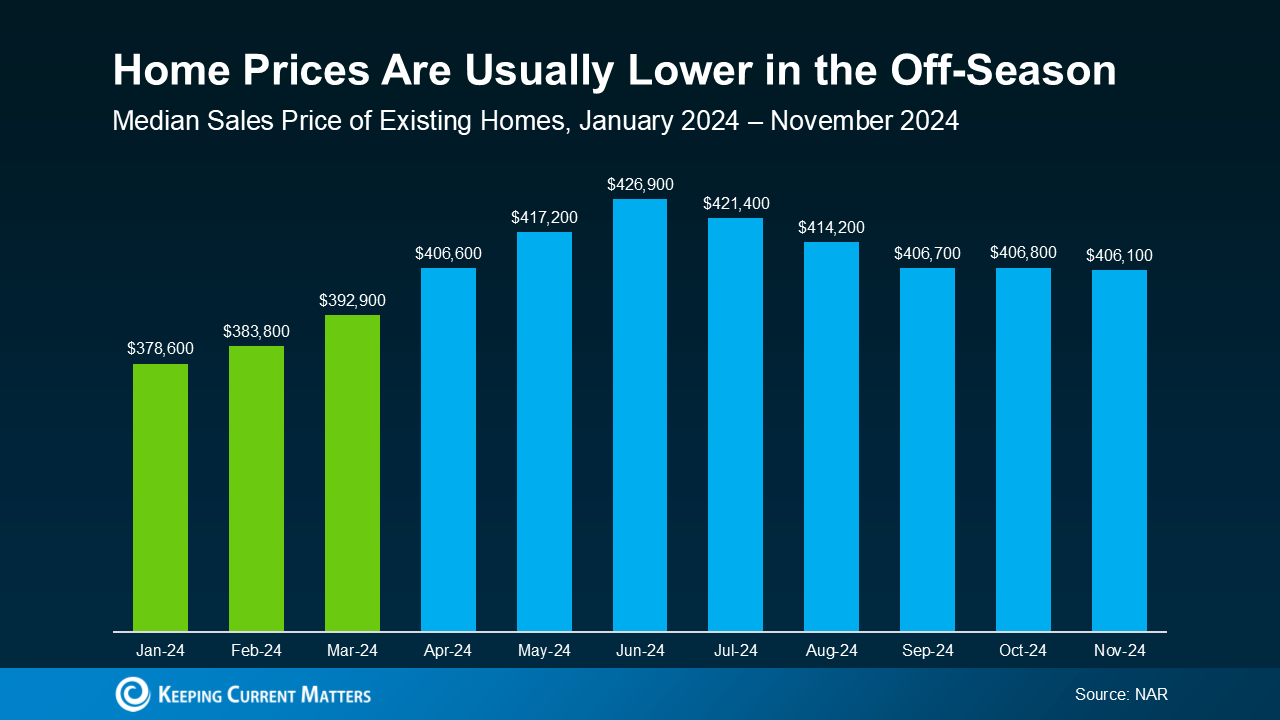
Historically, home prices tend to be at their lowest point in the winter months, too. According to data from NAR, home prices last year were at their lowest in January, February, and March — right before the spring buying season kicked in (see graph below):
This trend isn’t new — Bright MLSshows between 2010 and 2024, home prices in January and February were, on average, 15% lower than during the month of peak home prices (typically June). Buying in the off-season means you’re more likely to avoid paying the premium prices that come with the high demand of spring.
On top of that, home prices generally appreciate over time, meaning they tend to go up year after year. That means if you’re ready to buy and you can make it happen, you’re not only taking advantage of what might be the lowest prices of the year, but you’re also locking in today’s price before it increases in the future.
Bottom Line
While spring may seem like the obvious time to buy, moving before the peak season can give you significant advantages, like less competition, more negotiation power, and lower prices.
If you’re ready to explore your options, a local real estate agent is there to help.
There’s one big mistake you need to avoid when you sell your house this year: setting your price too high. It might seem like overpricing gives you room to negotiate or could really boost your profit, but the reality is, it usually backfires. If Your Destin Florida House Price Is Not Compelling, It’s Not Selling
In fact, Realtor.com says almost 20% of sellers — that’s one in five — have to reduce their price to get their house sold. And you don’t want to be one of them. Here’s why starting too high can lead to trouble, and how to avoid it.
Overpricing Pushes Buyers Away
With mortgage rates and home prices where they are right now, buyers are already stretching their budgets to make a move. So, when they see a house that’s priced too high, they’re not thinking, “I can negotiate.” They’re more likely to think, “next” and skip over your house entirely. An article from the National Association of Realtors (NAR) explains:
“Some sellers are pricing their homes higher than ever just because they can, but this may drive away serious buyers . . .”
And if they skip over your listing, you’ll miss out on the chance to get them through the door. That’s the last thing you want because fewer showings mean fewer chances to receive an offer.
The Longer Your House Sits, the More Skeptical Buyers Will Get
Here’s the other issue. An overpriced house tends to sit on the market longer. And the longer a house lingers, the more buyers start to wonder what’s wrong with it. Is there a problem with the house itself? Are you difficult to work with? Even if the only issue is the price, that extra time creates doubt. As U.S. News says:
“. . . setting an unrealistically high price with the idea that you can come down later doesn’t work in real estate . . . A home that’s overpriced in the beginning tends to stay on the market longer, even after the price is cut, because buyers think there must be something wrong with it.”
At that point, you’ll have no choice but to lower your price to drum up interest. But that price reduction comes with its own downside: buyers may see it as another red flag, that there’s an issue with the house.
The Key To Finding the Right Price for Your House
So, what’s the secret to avoiding all these headaches? It’s simple. Work with a local real estate agent who knows the market inside and out, and who’s going to be honest with you about how you should price your house.
You don’t want to partner with someone who just agrees to whatever number you throw out there. That’s not an expert who’s going to get you the best results.
You want an agent who recommends a price based on their expertise. The right agent will use real-time data from your local market to help you land on a price that makes sense — one that grabs attention, attracts buyers, and still helps you walk away with a great return. Someone who has been there and done that – and done it well. That’s the agent you want to work with.
Bottom Line
Remember, if the price isn’t compelling, it’s not selling. Instead of shooting too high and scaring off buyers, work with a local agent who knows how to price it right.
Connect with an agent to make sure your house hits the market with the right price, gets noticed, and gets sold.
Your credit score plays a big role in the homebuying process. It’s one of the key factors lenders look at to determine which loan options you qualify for and what your terms might be. But there’s a myth about credit scores that may be holding some buyers back.
The Myth: You Need To Have Perfect Credit
According to Fannie Mae, only 32% of potential homebuyers have a good idea of what credit score lenders actually require.
That means two-thirds of buyers don’t actually know what lenders are looking for – and most overestimate the minimum credit score needed.
The Reality: Perfect Isn’t Necessary
But the truth is, you don’t need perfect credit to become a homeowner. To see the average score, by loan type, for recent homebuyers check out the graph below:
There is no set cut-off score across the board. As FICO explains:
“While many lenders use credit scores like FICO Scores to help them make lending decisions, each lender has its own strategy, including the level of risk it finds acceptable. There is no single “cutoff score” used by all lenders, and there are many additional factors that lenders may use . . .”
So, even if your credit score isn’t as high as you’d like, you may still be able to get a home loan. Just know that, even though you don’t need perfect credit to buy a home, your score can have an impact on your loan options and the terms you’re able to get.
Work with a trusted lender who can walk you through what you’d qualify for.
Simple Tips To Improve Your Credit Score
If you want to open up your options a bit more after talking to a lender, here are a few tips from Experian and Freddie Mac that can help give your score a boost:
1. Pay Your Bills on Time
This includes everything from credit cards to utilities and other monthly payments. A track record of on-time payments shows lenders you’re responsible and reliable.
2. Pay Down Outstanding Debt
Reducing your overall debt not only improves your credit utilization ratio (how much credit you’re using compared to your total limit) but also makes you a lower-risk borrower in the eyes of lenders. That makes them more likely to approve a loan with better terms.
3. Hold Off on Applying for New Credit
While opening new credit accounts might seem like a quick way to boost your score, too many applications in a short period can have the opposite effect. Focus on improving your existing accounts instead.
Bottom Line
Your credit score doesn’t have to be perfect to qualify for a home loan. The best way to know where you stand? Work with a trusted lender to explore your options.
Have you ever stopped to think about how much wealth you’ve built up just from being a homeowner? As home values rise, so does your net worth. And, if you’ve been in your house for a few years (or longer), there’s a good chance you’re sitting on a pile of equity — maybe even more than you realize.
What Is Home Equity?
Home equity is the difference between what your house is worth and what you owe on your mortgage. For example, if your house is worth $500,000 and you still owe $200,000 on your home loan, you have $300,000 in equity. It’s essentially the wealth you’ve built through homeownership. Right now, homeowners across the country are seeing record amounts of equity.
According to Intercontinental Exchange (ICE), the average homeowner with a mortgage has $319,000 in home equity.
Why Have Homeowners Gained So Much Equity?
The rise in home equity over the years can be credited to two key factors:
1. Significant Home Price Growth
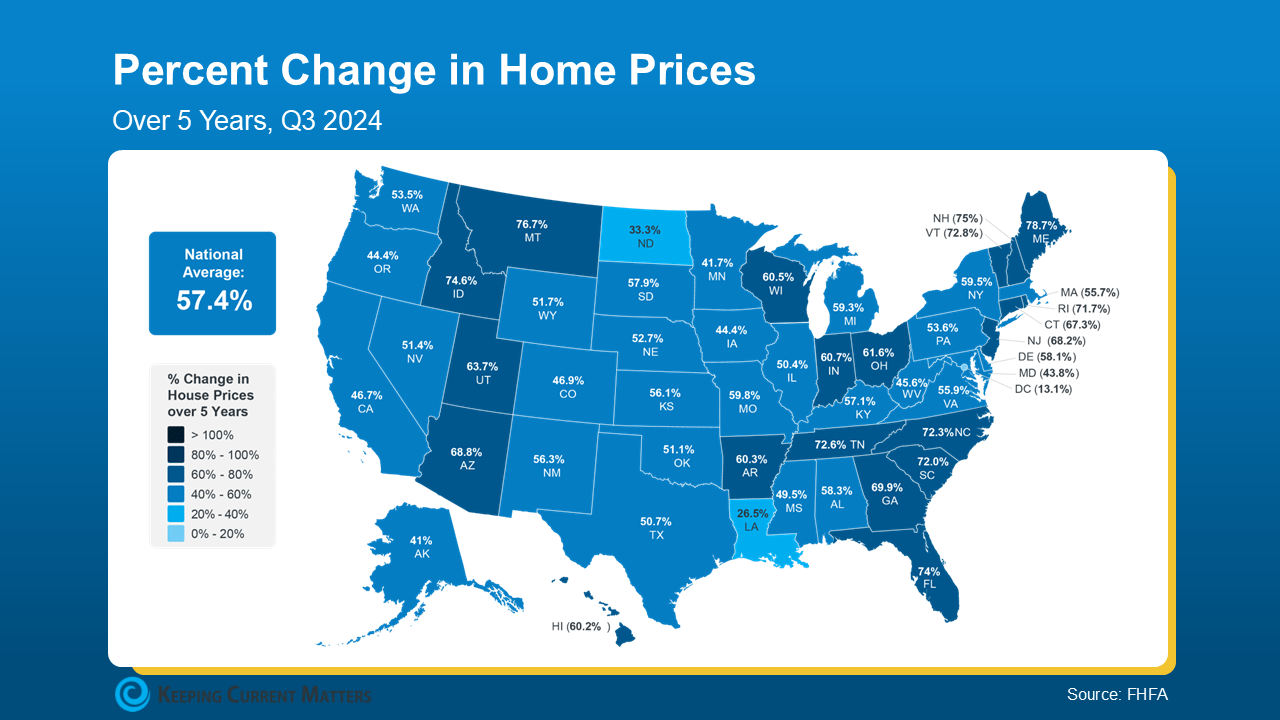
Home prices have climbed dramatically in recent years. In fact, according to the Federal Housing Finance Agency (FHFA), over the past five years, home prices nationwide have risen by 57.4% (see map below):
This appreciation means your house is likely worth much more now than when you first bought it.
2. Longer Tenure in Homes
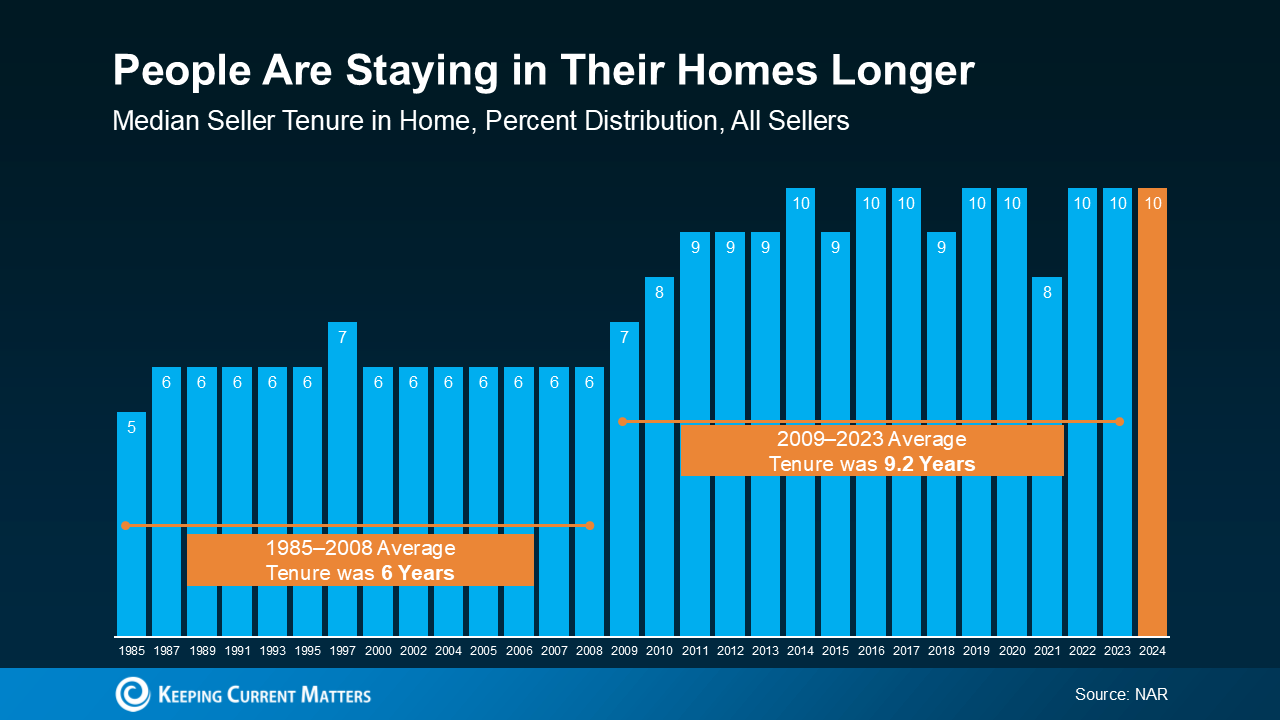
Data from the National Association of Realtors (NAR) shows people are staying in their homes for a decade (see graph below):
This increased tenure means homeowners benefit even more from home values growing over time. That’s because the longer someone has lived in their house, the more that home’s value has grown, which directly increases equity.
And if you’re one of those people who’s been in their home for 10 years or more, know this – according to NAR:
“Over the past decade, the typical homeowner has accumulated $201,600 in wealth solely from price appreciation.”
The Benefits of Having Home Equity
What does that mean for you? It means your house might be your biggest financial asset — and it could open up some exciting opportunities for your future. Let’s break it down.
Moving to Your Next Home
Your equity could help you cover the down payment for your next home. In some cases, it might even mean you can buy your next house all cash.
Financing Home Improvements
Thinking about upgrading your kitchen, adding a home office, or tackling other projects? Your equity can provide the funds to make those improvements happen, increasing your home’s value and making it more enjoyable to live in too.
Getting a Business Going
If you’ve been dreaming about starting your own business, your equity could be the kickstart you need. Whether it’s for startup costs, equipment, or marketing, leveraging your home’s value can help bring your entrepreneurial goals to life.
Bottom Line
Whether you’re thinking about selling, upgrading, or simply want to understand your options, your home equity is a powerful resource. If you’re wondering how much equity you’ve built or how you can use it to meet your goals, connect with a local real estate agent to explore the possibilities.
Knowing what to budget for when buying a home may feel intimidating — but it doesn’t have to be. By understanding the costs you may encounter upfront, you can take control of the process.
Here are just a few things experts say you should be thinking about as you plan ahead.
1. Down Payment
Saving for your down payment is likely top of mind. But how much do you really need? A common misconception is that you have to put down 20% of the purchase price. But that’s not necessarily the case. Unless it’s specified by your loan type or lender, you don’t have to. There are some home loan options that require as little as 3.5% or even 0% down. An article from The Mortgage Reports explains:
“The amount you need to put down will depend on a variety of factors, including the loan type and your financial goals. If you don’t have a large down payment saved up, don’t worry—there are plenty of options available . . .”
A trusted lender will go over the various loan types with you, any down payment requirements on those, and down payment assistance programs you may qualify for. The more you know ahead of time, the easier the process will be. And the key to getting the information you need is working with a pro to see what’ll work best for your situation.
2. Closing Costs
Make sure you also budget for closing costs, which are a collection of fees and payments made to the various parties involved in your transaction. Bankrate explains:
“Mortgage closing costs are the fees associated with buying a home that you must pay on closing day. Closing costs typically range from 2 to 5 percent of the total loan amount, and they include fees for the appraisal, title insurance and origination and underwriting of the loan.”
When it comes to closing costs, a trusted lender can guide you through specifics and answer any questions you may have. They can also give you a better idea of how much you should be prepared to pay so you can cruise through your closing with confidence.
And as you plan ahead for closing day, be sure to budget for your real estate agent’s professional service fee too, in case the seller doesn’t cover it. But don’t worry, you’ll work with your agent ahead of time to agree on what this is, so you won’t be surprised at the finish line.
3. Earnest Money Deposit
And if you want to cover all your bases, you can also consider saving for an earnest money deposit (EMD). According to Realtor.com, an EMD is typically between 1% and 2% of the total home price and is money you pay as a show of good faith when you make an offer on a house.
But, it’s not an added expense. Instead, it works like a credit and goes toward some of your upfront costs. You’re simply using some of the money you’ve already saved for your purchase to show the seller you’re committed and serious about buying their house. Realtor.com describes how it works as part of your sale:
“It tells the real estate seller you’re in earnest as a buyer . . . Assuming that all goes well and the buyer’s good-faith offer is accepted by the seller, the earnest money funds go toward the down payment and closing costs. In effect, earnest money is just paying more of the down payment and closing costs upfront.”
Keep in mind, this isn’t required, and it doesn’t guarantee your offer will be accepted. It’s important to work with a real estate advisor to understand what’s best for your situation and any specific requirements in your local area. They’ll advise you on what moves you should make so you can make the best possible decisions throughout the buying process.
Bottom Line
The key to a successful homebuying savings strategy? Being informed about what you need to save for. Because, when you understand what to expect, you can plan ahead. With an expert agent and a trusted lender, you’ll have the information you need to move forward with confidence.
Let’s face it – life can throw some curveballs. Whether it’s a job loss, unexpected bills, or a natural disaster, financial struggles can happen to anyone. But here’s the good news. If you’re a homeowner feeling the squeeze, there’s a lifeline that many people don’t realize is still available: mortgage forbearance.
What Is Mortgage Forbearance?
As Bankrate explains:
“Mortgage forbearance is an option that allows borrowers to pause or lower their mortgage payments while dealing with a short-term crisis, such as a job loss, illness or other financial setback . . . When you can’t afford to pay your mortgage, forbearance gives you a chance to sort out your finances and get back on track.”
A common misconception is that forbearance was only accessible during the COVID-19 pandemic. While it did play a significant role in helping homeowners through that crisis, what many people don’t know is that forbearance is still a tool to support borrowers in times of need. Today, it remains a vital option to help homeowners in certain circumstances avoid delinquency and, ultimately, foreclosure.
The Current State of Mortgage Forbearance
Forbearance continues to serve as a valuable safety net for homeowners facing temporary financial challenges. While the overall rate of forbearance has seen a slight increase recently, it’s important to understand what’s driving this change and how it fits into the broader picture.
According to Marina Walsh, VP of Industry Analysis at the Mortgage Bankers Association (MBA):
“The overall mortgage forbearance rate increased three basis points in November and has now risen for six consecutive months.”
This may seem concerning at first glance, but let’s break it down. The graph below, going all the way back to 2020, puts things into perspective:
While the share of mortgages in forbearance has significantly declined since its peak in mid-2020, there has been a slight but notable increase in recent months. This uptick is largely tied to the effects of two recent hurricanes — Helene and Milton.
Natural disasters like these often create temporary financial hardships for homeowners, making forbearance a crucial safety net during recovery. In fact, 46% of borrowers in forbearance today cite natural disasters as the reason for their financial struggles.
Even with the most recent uptick, the share of mortgages in forbearance is nowhere near pandemic levels, and, thankfully, reflects a very small portion of homeowners overall.
Why Forbearance Matters
Forbearance can help borrowers avoid the spiral of missed payments and foreclosure. It provides breathing room to address challenges and plan next steps. And while most homeowners today are not in a position to need forbearance, thanks to strong equity and foundations of the current housing market, it is an option for the few who do need it.
If you or a homeowner you know is facing financial difficulties, the first step is to contact your mortgage lender. They can walk you through the forbearance process and help you understand your options. Keep in mind that forbearance is not automatic — you need to apply and discuss the terms with your lender.
Bottom Line
In tough times, knowing your options can bring peace of mind. Forbearance isn’t just a financial tool — it’s a lifeline. And while the recent increase in forbearance rates might make headlines that give you pause, the truth is this option is working exactly as it should: helping those who need it most get through difficult moments without losing their homes.
destin florida real estate
mortage, homeowners, destin
destin beach florida real estate
5 star hotels in destin florida on the beach
destin florida real estate for sale
is destin florida a good place to live
luxury hotels in destin florida beachfront
real estate companies in destin florida
real estate agents in destin florida
does destin florida get hurricanes
homeowners insurance destin
destin fl real estate zillow
destin florida facts
top real estate agents in destin florida
is destin florida safe from hurricanes
mortgage rates desert financial
destin florida 55 communities
real estate in destin florida foreclosures
real estate in destin florida condos
destin florida 4k
real estate destin florida foreclosures
real estate for sale in destin florida area
real estate near destin florida
san destin fl real estate
destin florida 60 day forecast
destin florida 7 bedroom rentals
real estate agencies in destin florida
destin florida real estate school
real estate kelly plantation destin florida
destin fl real estate trends
Wondering what’s in store for the housing market this year? And more specifically, what it all means for you if you plan to buy or sell a home? The best way to get that information is to lean on the pros.
Experts are constantly updating and revising their forecasts, so here’s the latest on two of the biggest factors expected to shape the year ahead: mortgage rates and home prices.
Will Mortgage Rates Come Down?
Everyone’s keeping an eye on mortgage rates and waiting for them to come down. So, the question is really: how far and how fast? The good news is they’re projected to ease a bit in 2025. But that doesn’t mean you should expect to see a return of 3-4% mortgage rates. As Lawrence Yun, Chief Economist at the National Association of Realtors (NAR), says:
“Are we going to go back to 4%? Per my forecast, unfortunately, we will not. It’s more likely that we’ll go back to 6%.”
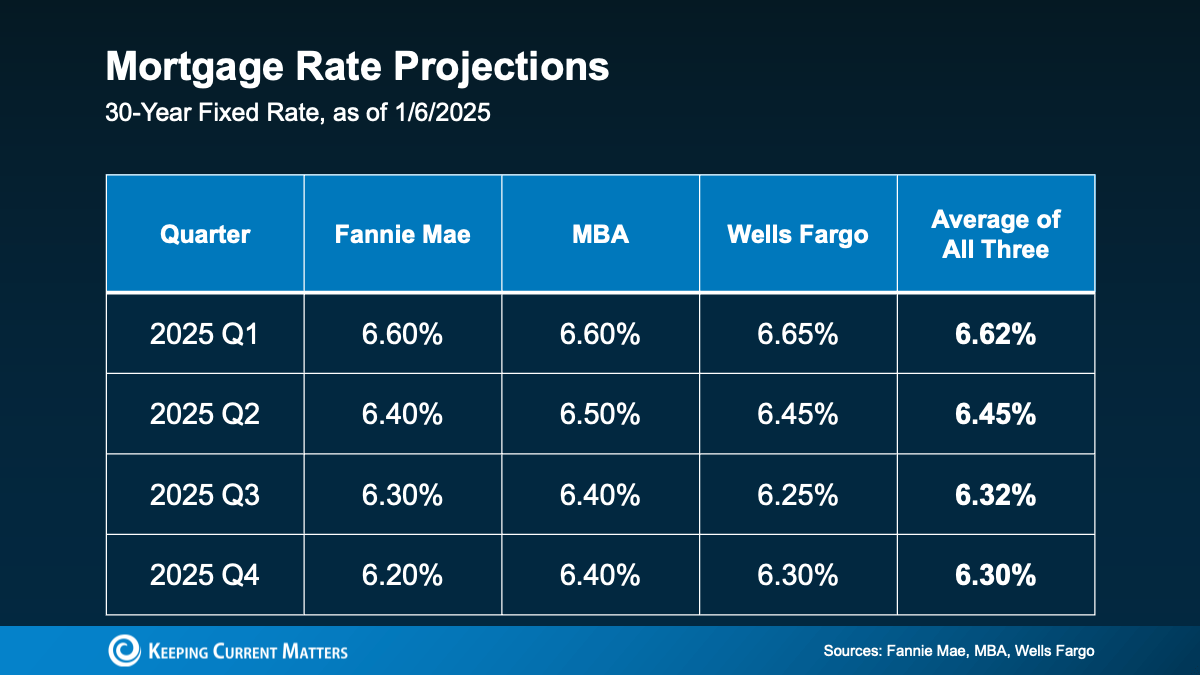
And the other experts agree. They’re forecasting rates could settle in the mid-to-low 6% range by the end of the year (see chart below):
But you should remember, this will continue to change as new information becomes available. Expert forecasts are based on what they know right now. And since everything from inflation to economic drivers have an impact on where rates go from here, some ups and downs are still very likely. So, don’t get caught up in the exact numbers here and try to time the market. Instead, focus on the overall trend and on what you can actually control.
A trusted lender and an agent partner will make sure you’ve always got the latest data and the context on what it really means for you and your bottom line. With their help, you’ll see even a small decline can help bring down your future mortgage payment.
Will Home Prices Fall?
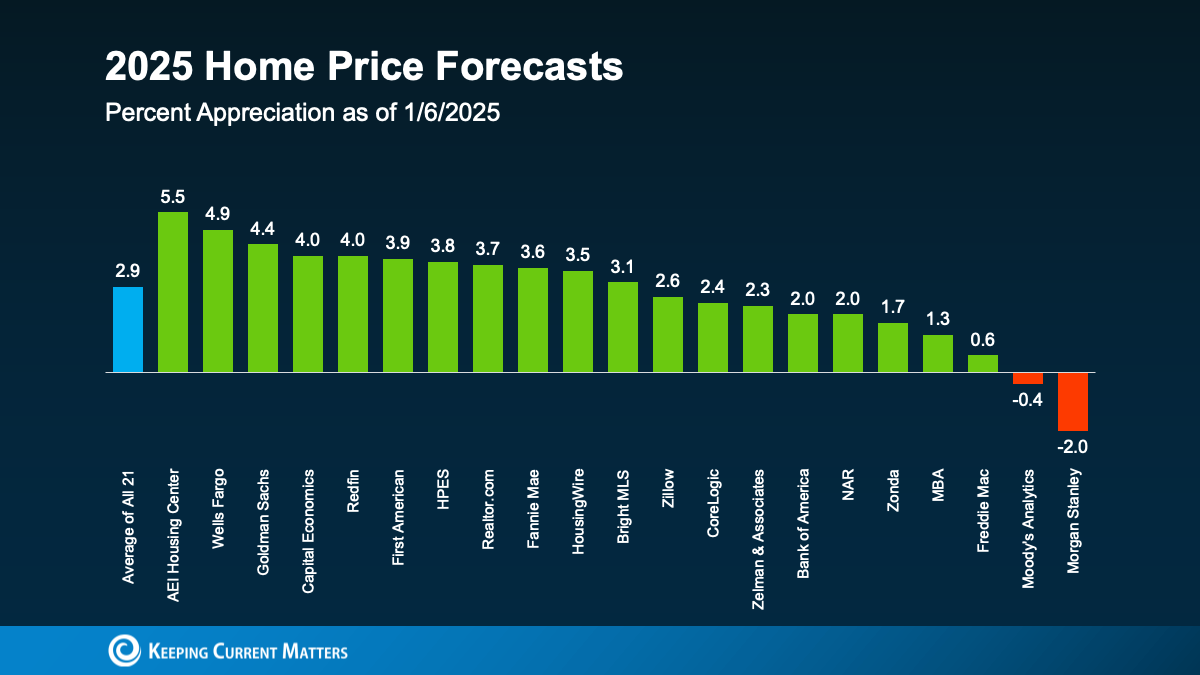
The short answer? Not likely. While mortgage rates are expected to ease, home prices are projected to keep climbing in most areas – just at a slower, more normal pace. If you average the expert forecasts together, you’ll see prices are expected to go up roughly 3% next year, with most of them hitting somewhere in the 3 to 4% range. And that’s a much more typical and sustainable rise in prices (see graph below):
So don’t expect a sudden drop that’ll score you a big deal if you’re thinking of buying this year. While that may sound disappointing if you’re hoping prices will come down, refocus on this. It means you won’t have to deal with the steep increases we saw in recent years, and you’ll also likely see any home you do buy go up in value after you get the keys in hand. And that’s actually a good thing.
And if you’re wondering how it’s even possible prices are still rising, here’s your answer. It all comes down to supply and demand. Even though there are more homes for sale now than there were a year ago, it’s still not enough to keep up with all the buyers out there. As Redfin explains:
“Prices will rise at a pace similar to that of the second half of 2024 because we don’t expect there to be enough new inventory to meet demand.”
Keep in mind, though, the housing market is hyper-local. So, this will vary by area. Some markets will see even higher prices. And some may see prices level off or even dip a little if inventory is up in that area. In most places though, prices will continue to rise (as they usually do).
If you want to find out what’s happening where you live, you need to lean on an agent who can explain the latest trends and what they mean for your plans.
Bottom Line
The housing market is always shifting, and 2025 will be no different. With rates likely to ease a bit and prices rising at a more normal and sustainable pace, it’s all about staying informed and making a plan that works for you.
When you sell your house, ideally, you want it to go something like this: your house sells for top dollar, you get it sold quickly, and it all goes down without a hitch.
But what many people don’t realize is that even in today’s market where there are more buyers than homes for sale, there are still things that can cause delays or even keep a house from selling. According toZillow, in 2024, as many as 1 in 3 sellers took their home off the market before it ultimately sold.
And while the reasons those houses didn’t sell are going to vary, there are some general themes that come through. If you’re having trouble getting your house sold, here are the top three hurdles that could be getting in the way, and how an expert agent can help you solve these issues.
1. Priced Too High
It’s no surprise that price plays a major role when you sell. And in today’s market, overpricing a home in a high-mortgage rate environment is the biggest thing keeping homes on the market longer than the norm. As. U.S. NewsReal Estate says:
“Talk to any real estate expert, and the first thing they’ll tell you is that a house is selling slowly because the price is too high.”
While it’s tempting to push the price higher to get more for your home, overpricing can really turn away potential buyers. It can also make your house sit on the market for far too long. And the longer it sits, the more skeptical buyers will be that there’s something wrong, even if there isn’t.
Not to mention, buyers today have so many tools and resources to view homes in your area and compare prices. So, if your house is priced too high, you’ll risk driving away potential offers.
To find out if this is happening with your listing, talk to your agent about what they’re hearing at open houses and showings. If the feedback is consistent, it may be time to re-evaluate your asking price.
2. Not Freshened Up Before Listing
You only get one chance to make a great first impression on a buyer. That’s why sprucing up your house can be the difference between it selling or sitting.
First, take into account your home’s curb appeal. There may be easy ways you can clean up the landscaping to make it tidy, inviting, and really make an impact. As an article from Realtor.com notes:
” . . . for better or worse, buyers do tend to judge a book by its cover. You want to make sure potential buyers’ first impression of your home is a good one—and inspires them to stop by the open house or schedule a tour—so they can see more.”
But don’t stop at the front door. Small touches like removing personal items, reducing clutter, and cleaning the floors give buyers more freedom to picture themselves in the home. And inexpensive upgrades like a fresh coat of paint or updated listing photos to match the current season can go a long way with that wow factor.
When in doubt, lean on your real estate agent for expert advice and whether you need a new game plan to close the deal.
3. Limited Access
Another big mistake you can make as a seller is limiting the days and times that buyers can view your house. Because at the end of the day, if buyers can’t take a look around, your chances of selling decline — drastically.
And here’s something else to consider. No matter what type of market you’re dealing with, buyers from outside the area are often highly motivated, but they don’t have as much flexibility or time as those who are local. So, give your house the best visibility by making it available as much as possible.
Bottom Line
You deserve to check selling your house off your list of goals this year. So, if your house isn’t getting enough attention or your listing is getting stale, don’t be afraid to ask your trusted real estate agent how you can revamp your approach.
More entry-level homes – also known as starter homes – are popping up on the market. And after several years with very few homes available to buy and prices rising, there are finally some more options for first-time buyers.
Inventory Is Increasing – Especially at Lower Price Points
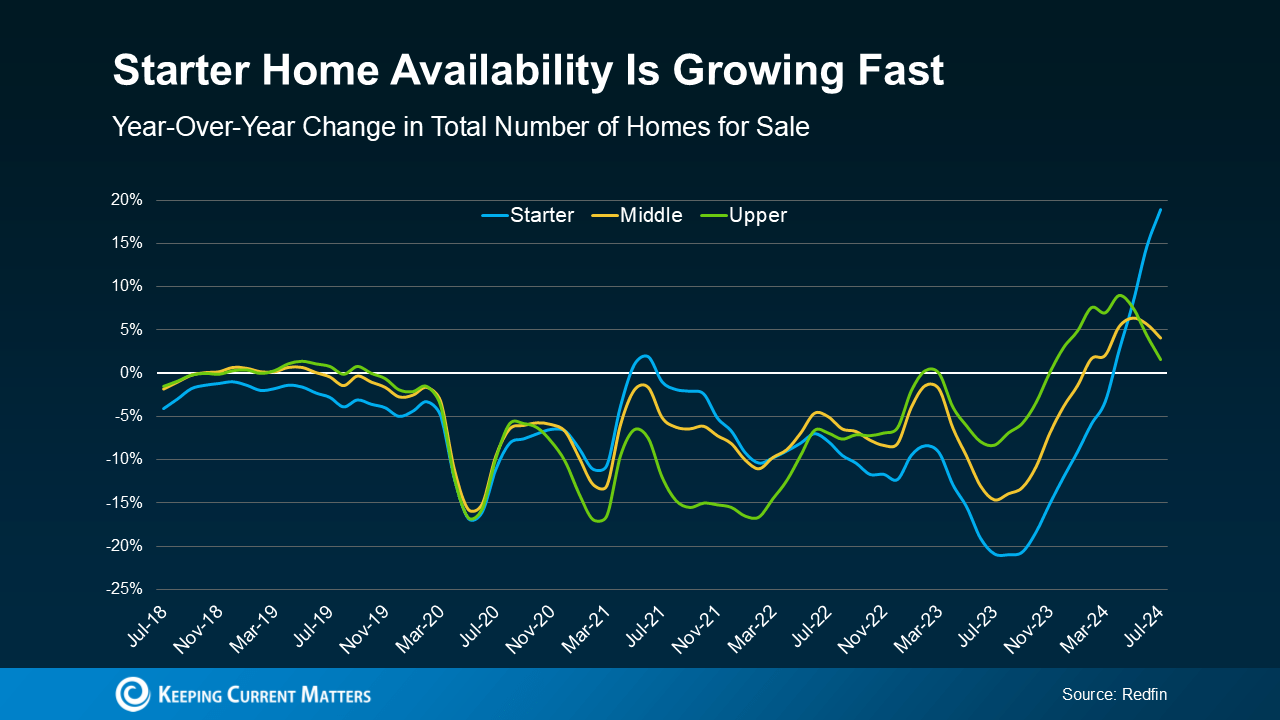
Over the past year, the total supply of homes for sale has improved. According to Realtor.com, in November there were 26.2% more homes for sale compared to this time last year, marking 13 months of inventory growth and the most homes available since December of 2019.
Interestingly, the growth isn’t spread evenly among all types of homes, though. According to Redfin, starter homes have seen the biggest increase (see graph below):
So, if you’re a first-time buyer who’s been sitting on the sidelines waiting because you thought you might never find a starter home in your market, this could be a game-changer. You finally have more options to choose from, and you just might be able to find one in your price range.
How an Experienced Agent Helps You Find a Starter Homes
Finding the right starter home at the right price point in your local market might feel like an unthinkable challenge, but a local real estate agent makes it easier. They stay up to date on the latest starter home listings in your area, so you don’t miss any opportunities.
Your agent will help you focus on homes that match your budget and your needs, making the search less stressful. They’ll also guide you through how to make the right offer and negotiate to get the best outcome possible.
On top of that, they handle the important details, like documentation and deadlines, so you can stay right on track. And if you have questions, your agent is there with answers and expert advice every step of the way.
Bottom Line
Starter homes are making a bit of a comeback, and this could be your chance to find one. Whether you’re ready to visit listings, need advice, or just want to see what’s out there, reach out to a local real estate expert.
Let’s be real – buying a home right now is tough. You’re scrolling through listings, rushing to open houses, and maybe even losing out to more competitive offers. Somewhere along the way, you might’ve heard the reason it’s so hard to find a home is because big Wall Street investors are swooping in and snatching up everything in sight.
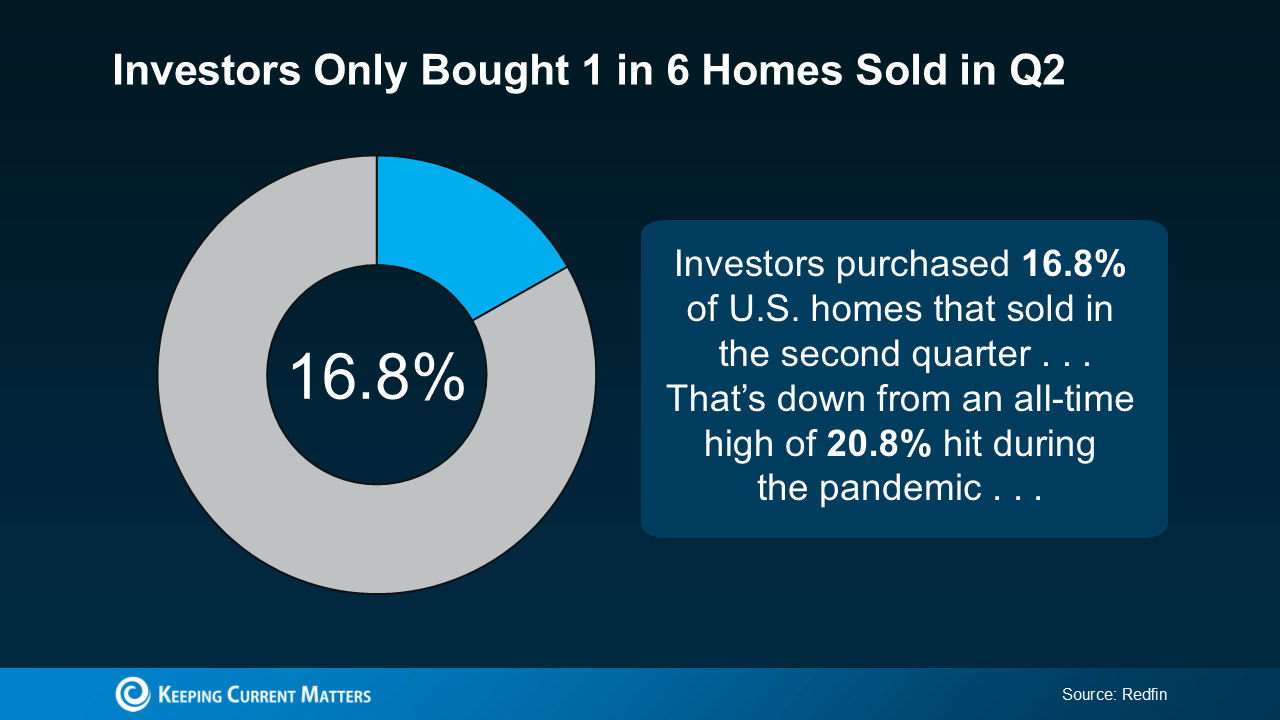
But here’s the thing: that’s mostly a myth. While investors are part of the market, according to Redfin, they’re a relatively small part:
Here’s what that means. Five out of every six homes are being purchased by everyday homebuyers like you – not big investors.
So, before you get discouraged, let’s take a look at what’s really going on. You might be surprised to learn that Wall Street isn’t the competition you may think it is.
Most Investors Are Small Mom-and-Pops
Most investors aren’t the mega corporations you’ve probably heard about. In fact, many are your neighbors. A recent report from CoreLogic shows most investors are small, mom-and-pop types who own fewer than 10 properties. They aren’t massive companies with endless resources. Picture your neighbor who has another home they’re renting out or a vacation getaway.
Only about 1% of the market is owned by large, mega investors with thousands of properties. The majority are still owned by individuals and smaller investors – not the Wall Street giants.
Investor Purchases Are Declining
Not only are most investors small, but overall investor purchases have been on the decline. As the same report from CoreLogicsays:
“Investors made 80,000 purchases in June 2024, compared with 112,000 in June 2023, and a nearly 50% percent drop from the high of 149,000 purchases in June 2021 . . .”
And what does this mean going forward? CoreLogic goes on to point out this downward trend is expected to continue into 2025.
So, if it seems like competition with investors is pushing you out of the market, it might help to know that investor activity is actually slowing down.
Bottom Line
The idea that Wall Street is buying up all the homes is largely a myth. Most investors are small ones, and the share of homes purchased by investors is declining – so you can take this one off your worry list.
If you have questions about the housing market, talk to a local real estate agent. They can explain what’s really happening.
When you’re ready to move, figuring out what to do with your house is a big decision. And today, more homeowners are considering renting their home instead of selling it.
Recent data from Zillow shows about two-thirds (66%) of sellers thought about renting their home before listing, with nearly a third (28%) taking that possibility seriously. Compared to 2021, when fewer than half (47%) of homeowners considered renting before selling, it’s clear this trend is on the rise.
So, should you sell your house and use the money toward your next home or keep it as a rental to build long-term wealth? Let’s walk through some important questions to help you determine the right path for your financial and lifestyle goals.
Is Your House a Good Fit for Renting?
Before you decide what to do, it’s important to think about if it would make a good rental in the first place. For instance, if you’re moving far away, managing ongoing maintenance could become a major hassle. Other factors to consider are if your neighborhood is ideal for rentals and if your house needs significant repairs before it’s ready for tenants.
If any of these situations sound familiar, selling might be a more practical choice.
Are You Ready for the Realities of Being a Landlord?
Managing a rental property involves more than collecting monthly rent. It’s a commitment that can be time-consuming and challenging.
For example, you may get maintenance calls at all hours of the day or discover damage that needs to be repaired before a new tenant moves in. There’s also the risk of tenants missing payments or breaking their lease, which can add unexpected stress and financial strain. As Redfin notes:
“Landlords have to fix things like broken pipes, defunct HVAC systems, and structural damage, among other essential repairs. If you don’t have a few thousand dollars on hand to take care of these repairs, you could end up in a bind.”
Do You Understand the Costs?
If you’re considering renting primarily for passive income, remember, there are additional costs you should anticipate. As an article from Bankrate explains:
Mortgage and Property Taxes: You still need to pay these expenses, even if the rent doesn’t cover all of it.
Insurance: Landlord insurance typically costs about 25% more than regular home insurance, and it’s necessary to cover damages and injuries.
Maintenance and Repairs: Plan to spend at least 1% of the home’s value annually, more if the house is older.
Finding a Tenant: This involves advertising costs and potentially paying for background checks.
Vacancies: If the property sits empty between tenants, you’ll lose rental income and have to cover the cost of the mortgage until you find a new tenant.
Management and HOA Fees: A property manager can ease the burden, but typically charges about 10% of the rent. HOA fees are an additional cost too, if applicable.
Bottom Line
To sum it all up, selling or renting out your home is a personal decision. Make sure to weigh the pros and cons carefully and consult with professionals so you feel supported and informed as you make your decision. A real estate agent can be a great person to go to for advice.
As you’re getting ready to sell your house, one of the first questions you’re probably asking is, “how long is this going to take?” And that makes sense—you want to know what to expect.
While every market is different, understanding what’s happening nationally can give you a good baseline. But for an even more detailed look at real estate conditions in your area, connect with a local real estate agent. They know your local market best and can explain what’s happening near you and how it compares to national trends.
Here’s a look at some of the things a great agent will walk you through during that conversation.
More Homes Are on the Market, and That’s Affecting How Long They Take To Sell
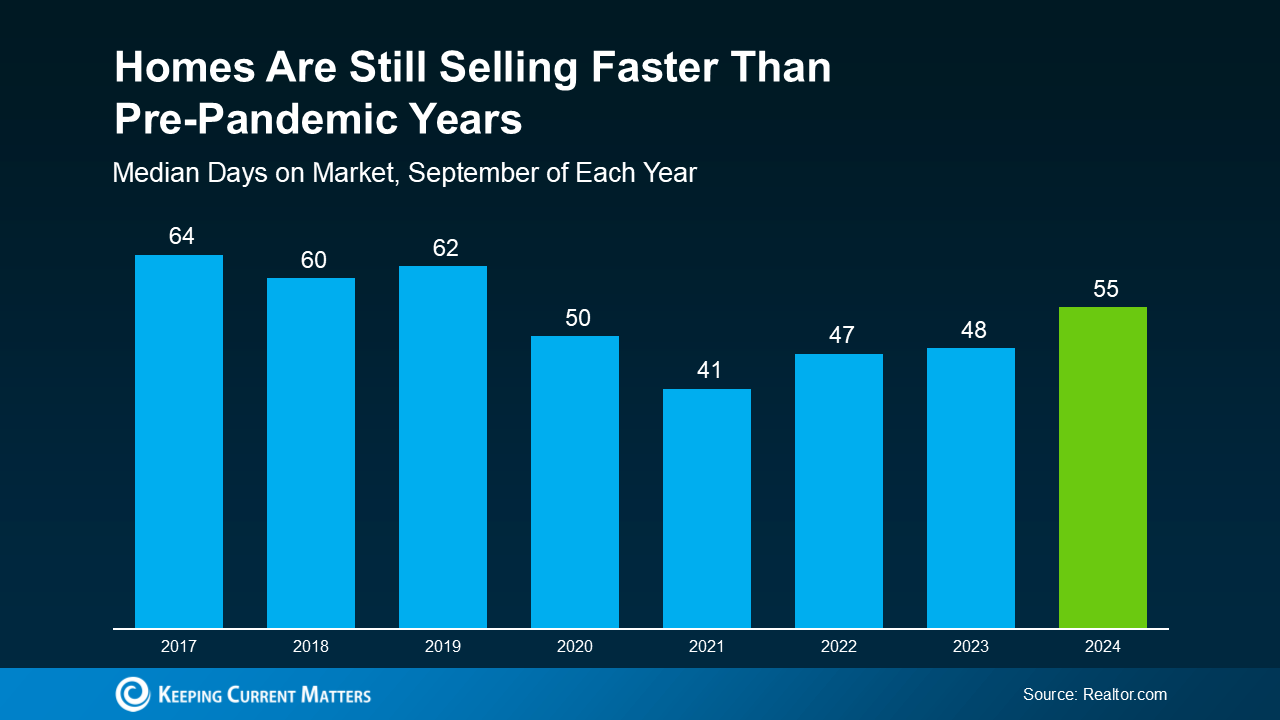
According to Realtor.com, the number of homes for sale has been going up this year. That means there are more options for buyers, which is great news for anyone looking to buy a home. But as a seller, it also means homes are staying on the market a bit longer now that buyers have more options to choose from (see graph below):
One of the big reasons homes sold so fast in recent years is because there were so few of them for sale. And now that there are more houses on the market, it makes sense that they aren’t selling at quite the same pace. Right now, according to Realtor.com, it takes 55 days from the time a house is listed for it to be officially sold and closed on.
But keep this in mind. While homes might not be selling as quickly as they did last year at this time, they’re still selling faster than they did in more normal years in the housing market, before the pandemic.
If you look back at 2017-2019 in the graph above, you’ll see that it was typical for a house to take 60 days or more to sell. So, today’s process is still faster than the norm.
That’s because, even with more homes for sale, there are still more buyers than homes for sale. So, homes that show well and are priced right are selling fast. As NerdWallet explains:
“Overall, though, demand still outpaces supply. This is hardly a mellow market: Good homes sellquickly . . .”
Your Agent Can Help Your Home Stand Out
If you’re looking for ways to make your move happen as quickly as possible, partnering with a great local agent is the key. Your real estate agent will help you with everything from setting the right price to staging your home so it looks its best. They’ll even create a marketing plan that grabs buyers’ attention and will give you key insights about what’s happening in your specific area, so you can plan accordingly and make the process go as smoothly as possible.
So, while homes might be on the market a little longer than before, they’re still selling faster than the norm. If you have the right agent and the right strategy in place, your house may even sell faster than you’d expect.
Bottom Line
If you’re planning to sell your house, knowing how long it might take is a big part of planning your next steps. By working with a local expert, you’ll be able to price, market, and sell your home with confidence.
Why a Destin Florida Vacation Home Is the Ultimate Summer Upgrade
Summer is officially here and that means it’s the perfect time to start planning where you want to vacation and unwind this season. If you’re excited about getting away and having some fun in the sun, it might make sense to consider if owning your own vacation home is right for you.
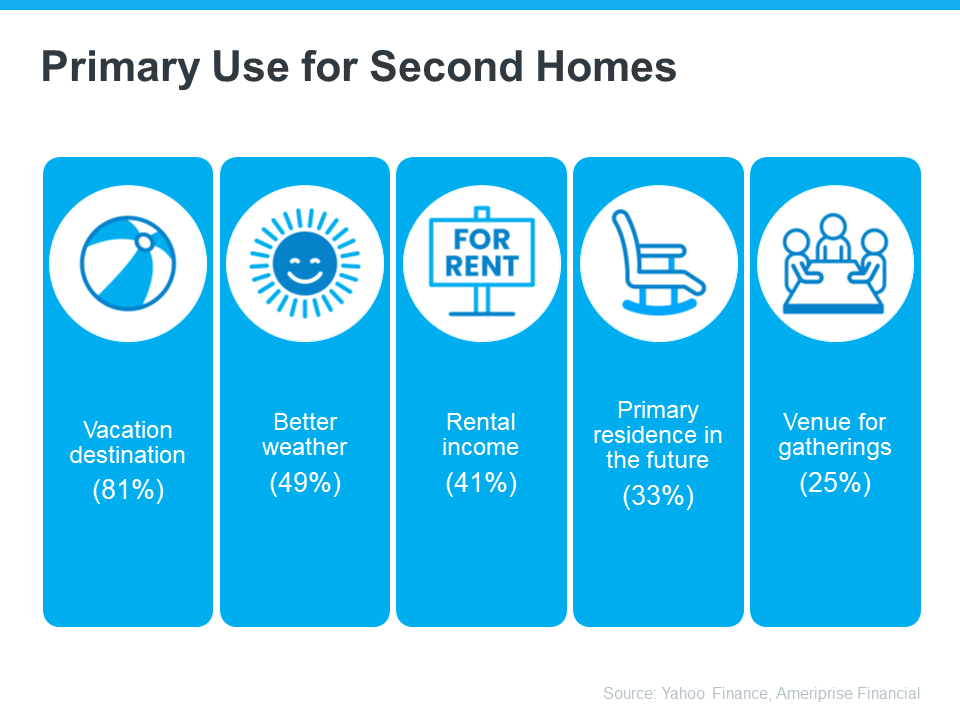
An Ameriprise Financial survey sheds light on why people buy a second, or vacation, home (see below):
Vacation destination or a place to get away from the stresses of everyday life (81%) – Having a second home to use as a vacation spot can be a special place where you go to relax and take a break from your daily routines and stressors. It also means you won’t have to worry about finding somewhere to stay when you go there.
Better weather (49%) – Buying in a place where there may be nicer weather can be a great escape, especially if it’s cold or rainy where you usually live. It lets you enjoy sunny days and warm temperatures, even when it’s not so nice back home.
Rental income (41%) – You can rent it out to other people when you’re not using it, which can help you make some extra money.
Primary residence in the future (33%) – You can eventually move into the home full-time during retirement. That means you can enjoy vacations there now and have a getaway ready for your future.
Having a venue for gatherings with family and friends (25%) – It would be a special spot where you can have parties, regular family trips, and create fun memories.
Ways To Buy Your Vacation Home
And you don’t have to be wealthy to buy a vacation home. Bankrate shares two tips for how to make this dream more achievable for anyone who’s interested:
Buy with loved ones or friends: If you’re okay with sharing the vacation home, you can go in on the purchase price together and pool your resources to make it more affordable.
Put a savings plan in place: This will require patience and persistence but consider adding a vacation home savings plan to your budget and contributing to it monthly.
Finding Your Dream Spot with a Little Help from an Agent
If the idea of basking in the sun at your very own vacation home sounds appealing, you might want to start looking now. Summer’s when everyone’s trying to buy their slice of paradise, so it’s best to start early.
Your first move is to team up with a real estate agent. They know all the ins and outs of the area you want to be in, and which homes you should look at. Plus, they can give you the lowdown on everything you need to know about having a second home and how it can benefit you. The same article from Bankrate says:
“Buying real estate in a new area — or even one you’ve vacationed in for many years — requires expert guidance. That makes it a good idea to work with an experienced local lender who specializes in loans for vacation homes and a local real estate professional. Local lenders and Realtors will understand the required rules and specifics for the area you are buying, and a local Realtor will know what properties are available.”
Bottom Line
If the idea of owning your own vacation home appeals to you, Let’s Chat.
Keith Bailey Realtor
850-830-6771
The Sweet Spot for Buying Luxury Homes
If you’ve been looking for a home at the high end of your market, but haven’t found the right one, you may have put your search on hold. But according to recent data, now may be the time to jump back in. Here’s why.
There Are More Luxury Homes To Choose From
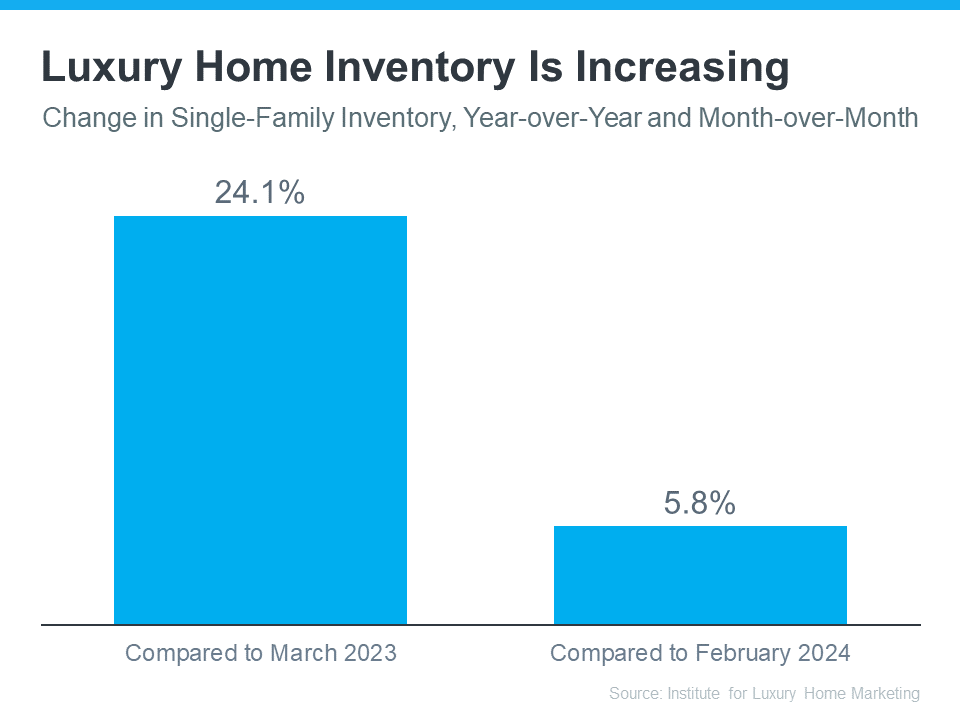
What’s considered the top-end of the market, or a luxury home, will always vary by location. But generally speaking, they’re homes that are valued in the top 5% of any given market. According to a recent report from the Institute forLuxury Home Marketing, the selection of luxury homes is increasing (see graph below):
As the graph shows, there are considerably more single-family luxury homes available now than there were a year ago. In fact, there are even more than there were just a month ago. This means you should have a wider variety of top-of-the-line homes to choose from, each with unique features and styles.
Whether you were searching for the latest design elements, like modern kitchens with chef-grade appliances, a breathtaking view, or integrated smart home technology, more luxury inventory means you should have an easier time finding one that matches your taste and lifestyle.
Rising Luxury Home Prices Can Help You Build Wealth
Another important factor to consider is that luxury home prices are on the rise. According to HousingWire, luxury home prices have increased by 8.7% over the past year. That’s why:
“People with the means to buy high-end homes are jumping in now because they feel confident prices will continue to rise . . . They’re ready to buy with more optimism and less apprehension.”
This means buying before prices climb higher – and while more inventory is on the market – may be your sweet spot. Because home prices are rising, owning a home could help you build more generational wealth over time. On the other hand, if you wait to buy, you might end up paying more for the same home later on as luxury prices continue to rise.
Bottom Line
With growing inventory and rising prices, you have a greater selection of luxury homes to choose from and an opportunity in front of you. Want to see the higher-end homes that are available in our area? Let’s connect today.
What To Expect if You Buy or Sell a Home This June
June is a busy month in the housing market because a lot of people buy and sell this time of year. So, if you’ve got a move on your mind and you’re looking to make it happen this month, here’s a snapshot of what you need to know to make sure you’re ready.
If You’re Buying This June
A lot of homebuyers with children like to move after one school year ends and before the next one begins. That’s one reason why late spring into summer is a popular time for homes to change hands. And whether that’s a motivator for you or not, it’s important to realize more buyers are going to be looking right now – and that means you’ll want to be ready for a bit more competition. But there is a silver lining to a move this time of year. This is also when more sellers will list – so you should find you have more options. As an article from Bankrate says:
“Late spring and early summer are the busiest and most competitive time of year for the real estate market. There’s usually more inventory listed for sale than other times of year . . . This is a double-edged sword for a buyer, as you will be met with more opportunities but [also] much more competition.”
During this busy season, it’s extra important to work with a trusted real estate agent. Your agent will help you stay on top of the latest listings, share expertise on how to make a strong offer in a competitive market, and give you insight into things like what the home is actually worth so you can make an informed decision when you buy. As Forbes says:
“Approaching the market confidently, armed with good information and grounded expectations will take you far. Don’t let the hustle of the market convince you to buy something that’s not in your budget, or not right for your lifestyle.”
If You’re Selling This June
Because there are more buyers this time of year, you’re in a great spot as a seller. Many of those buyers are highly motivated to make their move happen before the next school year kicks off – so they’ll likely put in strong offers to try to make that possible. That means, if your house shows well and is listed at market value, you could see your house sell faster or for a higher price. According to the National Association of Realtors (NAR):
“Warmer weather and the end of the school year encourage more people to buy and sell, respectively. Buyers are looking to move and settle before the new school year begins, contributing to increased competition and, consequently, higher prices.”
You want to be sure you’ve got a great agent on your side to help you with the contingencies on those offers and any negotiations that take place so you can pick the best offer. Make sure you go over closing dates with your agent. Buyers trying to time their move with the school year may need to delay a bit or move faster. This can depend on the school calendar where you live. As U.S. NewsReal Estate explains:
“ . . if your house goes under contract in early summer, the buyer may ask for a delay in closing or move-in until the school year finishes or their current home has sold. Alternatively, a buyer later in summer may be looking to close quickly and move in under a month. Remain flexible to keep the deal running smoothly, and your buyer may be willing to throw in concessions, like covering some of your closing costs or overlooking the old roof.”
Bottom Line
If you’re looking to make a move this June, let’s chat so you know what to expect. We’ll come up with a plan that factors in current market conditions, but still works for you.
For over 80 years, Veterans Affairs (VA) home loans have helped millions of veterans buy their own homes. If you or someone you know has served in the military, it’s important to learn about this program and its benefits.
Here are some key things to know about VA loans before buying a home.
Top Benefits of VA Home Loans
VA home loans make it easier for veterans to buy a home, and they’re a great perk for those who qualify. According to the Department of Veteran Affairs, some benefits include:
Options for No Down Payment: Qualified borrowers can often purchase a home with no down payment. That’s a huge weight lifted when you’re trying to save for a home. The Associated Presssays:
“. . . about 90% of VA loans are used to purchase a home with no money down.”
Don’t Require Private Mortgage Insurance (PMI): Many other loans with down payments under 20% require PMI. VA loans do not, which means veterans can save on their monthly housing costs.
Limited Closing Costs: There are limits on the types of closing costs you pay when you qualify for a VA home loan. So, more money stays in your pocket when it’s time to seal the deal.
An article from Veterans United sums up how remarkable this loan can be:
“For the vast majority of military borrowers, VA loans represent the most powerful lending program on the market. These flexible, $0-down payment mortgages have helped more than 24 million service members become homeowners since 1944.”
Bottom Line
Owning a home is the American Dream. Veterans give a lot to protect our country, and one way to honor them is by making sure they know about VA home loans.

 4. You Weren’t Willing To Negotiate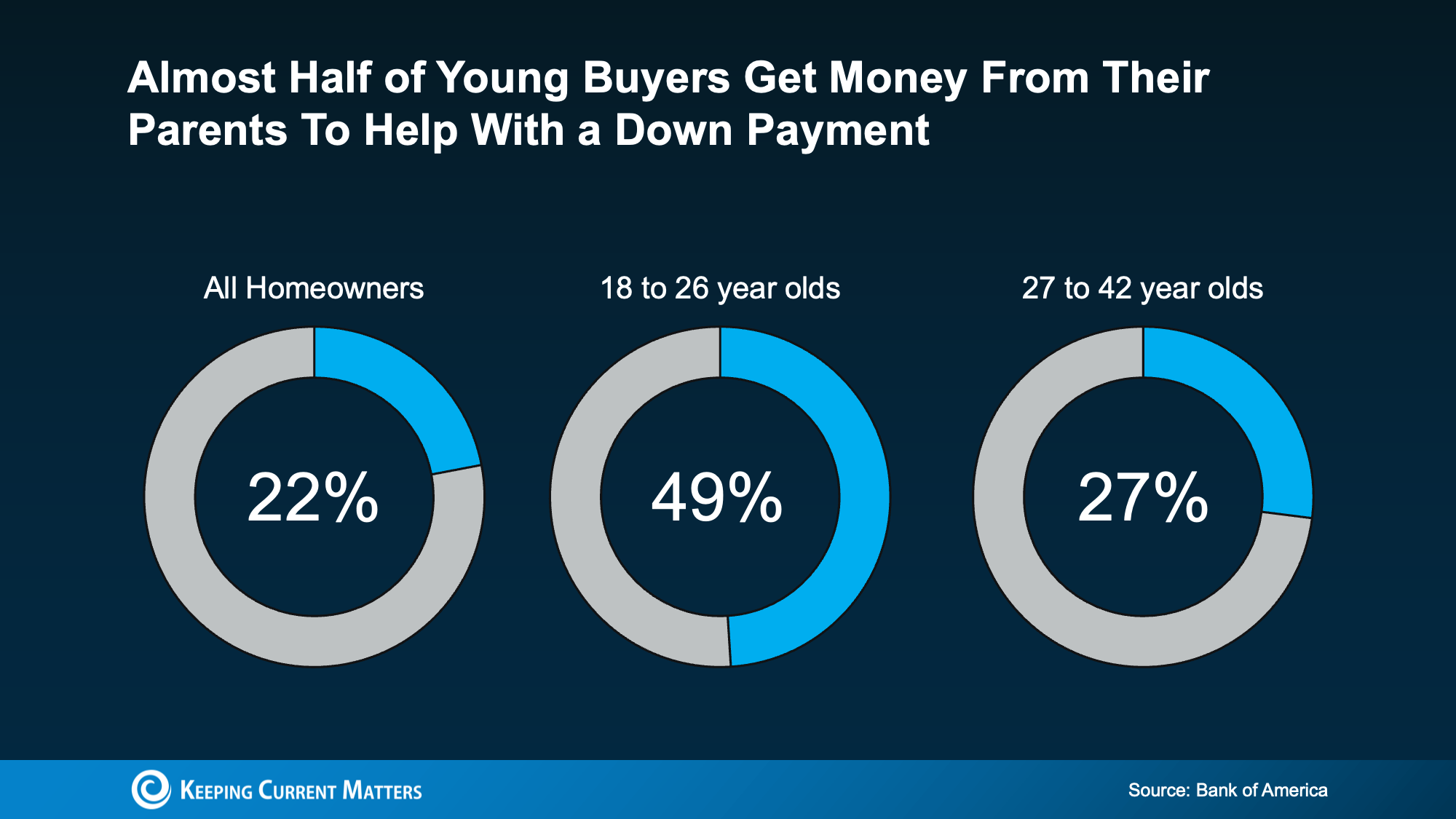

 This graph shows that if a house sells within the first 4 weeks it is listed, it usually goes for full price. Based on experience, that’s what usually happens to homes that are priced at or just below current market value. If it’s priced right, buyers will be interested, and, ultimately, willing to pay the asking price – or compete with other buyers and even go over asking.












 Here’s what that means. Five out of every six homes are being purchased by everyday homebuyers like you – not big investors.